Cincinnati summers can bring long stretches of heat and humidity, making a reliable air conditioner important for comfort and indoor air quality. When cooling feels uneven or utility bills climb, searching for AC repair in Cincinnati, OH, can help homeowners find information about local service options. In the meantime, a few practical steps can improve system performance and help reduce unnecessary energy use.
Start With the Basics
A clean air filter is one of the simplest ways to support efficient cooling. Dust and debris can restrict airflow, making the system work harder to move conditioned air through the home. Check the filter monthly during heavy-use periods, and replace or clean it according to the manufacturer’s instructions. Homes with pets, nearby construction, or frequent dust may need more frequent checks.
Next, confirm that supply registers and return-air grilles are open and unobstructed. Furniture, rugs, and curtains can block airflow, while closed interior doors may affect circulation in some layouts. Keep vents clear and allow air to move freely between rooms. If one area remains warmer than others, note when and where the temperature difference occurs; that information can help identify a duct, airflow, or system issue.
Thermostat settings also matter. Choose a comfortable temperature and avoid repeatedly lowering the setting in hopes of cooling the house faster. Most central systems cool at a steady rate, so an unusually low setting may keep the equipment running longer without speeding up the process. A programmable or smart thermostat can make it easier to adjust temperatures when the home is empty and return to a comfortable setting before occupants arrive.
Reduce Heat and Moisture Indoors
An air conditioner must remove both heat and moisture from indoor air. Limiting heat entering the home can reduce the cooling load and help rooms feel more comfortable. During sunny hours, close blinds or curtains on windows that receive direct sunlight. Use exterior shade where practical, and check weatherstripping around doors and windows for gaps that let warm air inside.
Cooking, showering, and running certain appliances can add heat and humidity. Use kitchen and bathroom exhaust fans to vent moisture outdoors, and consider postponing oven use during the hottest part of the day. These small changes can make it easier for the cooling system to maintain a steady indoor temperature.
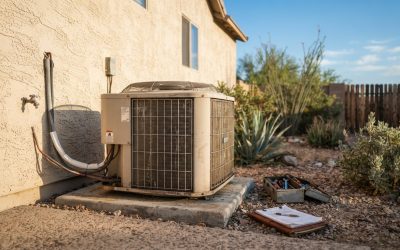
Outdoor equipment needs breathing room, too. Keep leaves, grass clippings, and other debris away from the outdoor unit. Trim plants so there is open space around it, and avoid stacking items nearby. Before cleaning around the unit, turn off power to the equipment. Do not open panels or attempt to straighten delicate components; those tasks are better left to a qualified professional.
Know When Maintenance or Repair Is Needed
Basic upkeep can improve performance, but it cannot correct every problem. If the system runs constantly, makes new or unusual sounds, produces weak airflow, or leaves persistent warm spots, it may need inspection. Water collecting near indoor equipment, ice on refrigerant lines, or repeated short cycling are also reasons to seek professional guidance. Turn the system off if ice is visible, since continued operation may worsen the issue.
A professional inspection can check components that homeowners should not handle, including electrical connections, refrigerant levels, condensate drainage, and internal coils. Timely air conditioning repair may address a developing fault before it leads to a larger breakdown, though the right solution depends on the cause. Share clear observations: when the issue began, whether it happens in every room, and whether the thermostat or energy use has changed.
Seasonal maintenance is useful even when the system appears to work normally. A technician can evaluate operation, clean accessible components, and identify wear that may affect cooling. Scheduling a check before the hottest weather arrives can also make it easier to address concerns before the system faces sustained demand.
For homeowners researching AC repair in Cincinnati, OH, it helps to describe symptoms rather than assume a specific cause. A trained professional can determine whether the problem involves airflow, controls, drainage, electrical parts, or another component. Avoid DIY refrigerant work or electrical repairs, which can be hazardous and may damage equipment.
Keep Comfort and Efficiency in Balance
Energy-saving habits work best when they complement a well-maintained system. Use ceiling fans to circulate air while people are in a room, but switch them off when the room is empty; fans cool people, not spaces. Keep the thermostat at a consistent, comfortable setting, and use window coverings and exhaust fans to reduce heat and humidity. If bills rise unexpectedly despite these steps, compare usage with similar months and consider whether weather, occupancy, or a change in system behavior explains the difference.
Better cooling does not always require a major change. Clean filters, clear vents, sensible thermostat settings, reduced indoor heat, and unobstructed outdoor equipment all support efficient operation. Pay attention to warning signs and arrange professional attention when the system’s performance changes. Together, these habits can improve comfort, limit unnecessary energy use, and help an air conditioner remain dependable through Cincinnati’s warmest months.