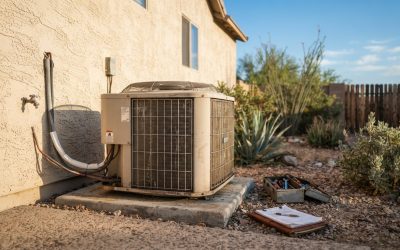
When an air conditioner fails during a hot, humid stretch, indoor temperatures can rise quickly and create discomfort or even health risks. If you are searching online for emergency AC repair in Cincinnati, OH, it helps to know which symptoms call for prompt attention and what to do while arranging service. Recognizing the difference between a minor problem and an urgent warning sign can protect your household and prevent additional damage to the system.
Warning Signs That Shouldn’t Wait
Some air conditioning problems are more than an inconvenience. Turn the system off and seek professional help promptly if you notice any of the following:
- Burning or Electrical Odors: A sharp, smoky, or melting-plastic smell may signal an overheating component or wiring problem. Switch off the AC at the thermostat. If you see smoke or sparks, or the odor continues, keep clear of the equipment and turn off its circuit breaker only if it is safe to do so. Do not restart the system to see whether the smell goes away.
- Loud, Sudden Mechanical Noises: Banging, grinding, screeching, or repeated clanking can indicate a loose or damaged part. Continuing to run the unit may turn a repairable issue into a more extensive breakdown.
- A Complete Loss of Cooling During Extreme Heat: If the system stops working and indoor temperatures climb, children, older adults, and people with certain health conditions may be especially vulnerable. Arrange prompt help, and move anyone who feels unwell to a cooler place.
- Water Near Electrical Equipment: A clogged drain can cause water to collect around an indoor unit, while other failures may produce leaks. Turn off the system if water is close to electrical components. Avoid touching wet equipment or attempting repairs yourself.
- Repeated Breaker Trips: A breaker that trips again after being reset can point to an electrical or equipment fault. Do not keep resetting it. Leave the system off and have the cause checked.
These symptoms deserve attention even if the AC seems to work intermittently. A temporary return to cooling does not necessarily mean the underlying problem has resolved.
Clues That Cooling Is Failing
Not every concerning symptom requires the same immediate response, but several changes warrant a timely inspection. Warm air from the vents, weak airflow, or rooms that stay hot while others cool may result from a dirty filter, blocked return, thermostat issue, duct problem, or failing component. Check that the thermostat is set to “cool,” the temperature is set below the room temperature, and supply and return vents are open. Replace a visibly dirty filter if the system’s instructions allow it.
Ice on refrigerant lines or the indoor coil is another reason to stop cooling operation. Ice can restrict airflow and may be linked to a dirty filter, blower issue, or refrigerant problem. Turn the AC off rather than chipping away at the ice; sharp tools can damage the equipment. If the thermostat has a fan-only setting, it may help the ice melt, but do not restart cooling until the unit has been assessed or the manufacturer’s guidance is followed. Refrigerants should only be handled by qualified professionals.
Unusual humidity, a musty odor, or a sudden jump in energy use can also signal declining performance. These signs may not require an after-hours call on their own, but they should not be ignored, especially if they appear alongside weak cooling or water leaks. In Cincinnati’s humid summers, a struggling system may have difficulty managing both temperature and moisture.
What to Do Before Help Arrives
A few careful steps can make the situation safer and help a technician identify the problem:
- Turn the System Off If There Is a Safety Warning: Burning smells, smoke, sparks, severe noise, or water near electrical parts are reasons to stop operation.
- Check Simple Settings Once: Confirm the thermostat mode and temperature, and look for a tripped breaker. If it trips again, leave it alone.
- Note What Changed: Record when the issue began, any sounds or odors, whether airflow changed, and whether the system runs continuously. This information can help narrow down the cause.
- Protect People and Pets from Heat: Close blinds on sunny windows, limit heat-producing appliances, drink water, and use another safe, cooler location if indoor conditions become uncomfortable.
- Keep Access Clear: If it is safe, make the area around indoor and outdoor equipment accessible. Do not open panels or handle wiring, refrigerant lines, or moving parts.
When contacting an emergency AC repair service, describe the symptoms clearly and mention any safety concerns. Ask whether the system should remain off and what steps are appropriate until an appointment. If the issue is not immediately dangerous but cooling is inconsistent, schedule air conditioning repair before the next heat wave makes the problem harder to manage.
Know When to Act
A sudden loss of cooling, electrical odor, repeated breaker trips, severe mechanical noise, or water near electrical components calls for prompt attention. Less dramatic changes, such as weak airflow, uneven temperatures, or rising humidity, still deserve timely diagnosis. Shut down equipment when safety is in question, avoid risky DIY repairs, and take practical steps to keep occupants comfortable. Acting early can help limit damage and restore reliable cooling when it matters most.